Discover Your Artistic Side: Participate In Enjoyable and Practical Sewing Classes This Month!
Sewing lessons present an excellent opportunity for people to discover their creative potential. Participants can engage with various materials corresponding information and techniques while working on hands-on projects. These courses accommodate different skill levels, making them accessible to newcomers as well as skilled practitioners. As participants dive into this creative process, they may find themselves discovering not just new skills, but also a encouraging community. What lies beyond the basics of sewing may amaze many.
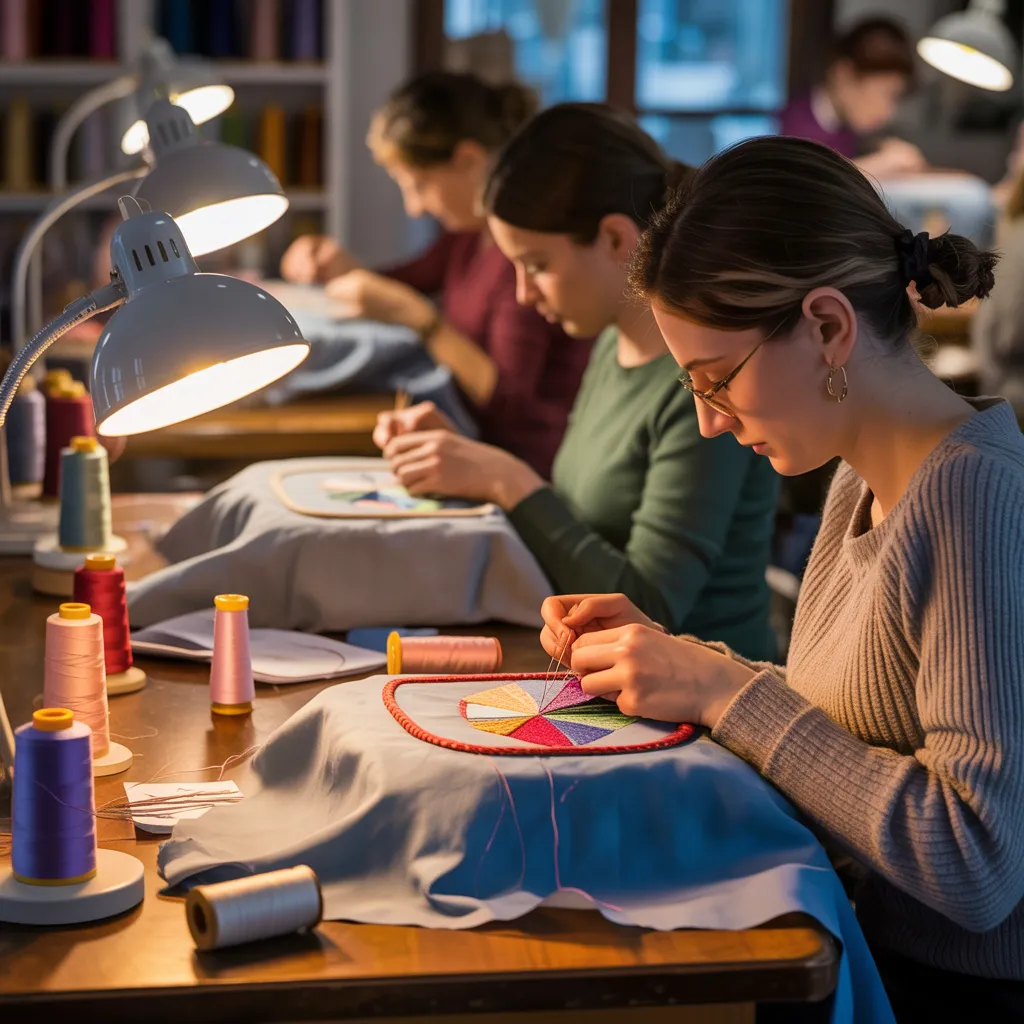
Why Sewing Classes Are Perfect for Creative Minds
While many creative outlets exist, sewing classes emerge as an ideal choice for those seeking to express their artistic vision. These classes provide a chance to transform fabric into tangible creations, enabling participants to explore their imagination in a hands-on environment. The tactile nature of sewing activates the senses, encouraging individuals to experiment with colors, patterns, and textures.
In addition, sewing nurtures a sense of accomplishment; each completed project represents a demonstration of one's creativity and skill development. The cooperative atmosphere in classes also creates a supportive community, where aspiring designers can share ideas and learn from one another. With numerous techniques and styles to explore, from traditional quilting to modern garment making, sewing classes address diverse interests and skill levels. Therefore, they serve as a perfect medium for creative minds to thrive, igniting joy and inspiration through the art of fabric manipulation.
What Can You Anticipate in Your Initial Sewing Class?
What awaits beginners in their inaugural sewing class? Usually, beginners will be presented with the fundamental tools and materials necessary for sewing, such as fabric, thread, scissors, and sewing machines. Educators generally present a short overview of machine operation and safety, guaranteeing that students feel comfortable and confident. New students will often learn basic stitches and techniques, guided step-by-step through easy projects like pillowcases or tote bags. This interactive approach promotes an encouraging environment where questions are encouraged.
Moreover, students may engage in discussions about fabric types and pattern reading, acquiring insight into the broader sewing landscape. The social aspect of group classes provides opportunities for shared experiences, making it a fun way to meet fellow enthusiasts. Overall, participants can expect a mix of instruction, creativity, and camaraderie, establishing a solid foundation for their sewing journey.
Types of Sewing Classes to Match Your Style
While researching sewing classes, individuals can find options adapted to their skill levels and interests. Novice sewing techniques emphasize foundational skills, while advanced project workshops engage experienced sewists with complex designs. This variety guarantees that each student can engage with the material in a way that resonates with their personal style.
Beginner Tailoring Strategies
Discovering the world of sewing unveils diverse beginner techniques that cater to different styles and preferences. Many classes emphasize fundamental skills, such as straight stitching, zigzag stitching, and hem finishing, vital for building a solid foundation. Participants may also discover techniques like appliqué and basic garment construction, which allow them to create simple yet stylish projects. Additionally, some classes introduce learners to hand-sewing methods, showcasing the artistry of needlework. For those interested in quilting, beginner classes often cover basic patchwork techniques. Eventually, these wide-ranging options confirm that aspiring sewers can find the right class to match their personal interests and creative aspirations, building confidence and enthusiasm for further exploration in the sewing realm.
Professional Workshop Sessions
Specialized project workshops deliver a selection of specialized sewing classes designed to enhance skills and match individual styles. These workshops serve more experienced sewists aiming to tackle challenging projects, such as tailored garments, intricate quilts, or custom home décor. Participants benefit from expert guidance, helping them to perfect techniques and explore advanced concepts like pattern drafting, fabric manipulation, and embellishments.
In addition, these workshops promote a collaborative environment where creativity prospers, encouraging students to present ideas and receive constructive feedback. By focusing on specific projects, attendees can develop a deeper understanding of their chosen techniques while creating unique, personalized items. Ultimately, advanced project workshops present an enriching experience that builds confidence and nurtures a passion for sewing.
Enhancing Expertise and Self-Confidence Via Sewing Classes
Sewing classes serve as an excellent platform for learners to cultivate both expertise and confidence in their craft. Learners learn essential techniques, from threading a needle to mastering intricate stitching patterns. Instructors guide participants through experiential projects, helping them to refine and enhance their skills in a positive environment.
As students advance, they experience a sense of success that builds self-confidence. Finishing a project, whether a basic tote bag or an complex garment, instills pride and encourages further exploration. This incremental learning approach allows individuals to undertake increasingly demanding tasks, solidifying their growing expertise.
Moreover, the structured environment of sewing classes cultivates goal-setting and accountability, which enhance personal growth. By overcoming obstacles and celebrating accomplishments, participants develop resilience, converting newly developed confidence into other spheres of life. Ultimately, sewing classes are not simply about fabric and thread; they are transformative experiences that empower individuals to unleash their creativity.
Join Fellow Craft Enthusiasts: The Circle of Sewing Classes
During the development of sewing skills, participants also find themselves immersed in a vibrant community of creative peers. This community acts as a supportive network, building connections among individuals who share a passion for sewing. As they involve themselves in hands-on projects, participants exchange ideas, techniques, and inspiration, strengthening their learning experience.
The collaborative atmosphere encourages creativity, allowing individuals to explore diverse styles and approaches. Through exchanging achievements and obstacles, they develop enduring bonds and reciprocal support. Group activities, such as fabric swaps and collaborative projects, further strengthen these bonds, making the sewing classes more than just skill-building sessions.
Moreover, the varied backgrounds and experiences of participants enrich discussions, broadening perspectives on sewing. This sense of belonging not only enhances confidence but also ignites a passion for the craft. In the end, the community aspect converts sewing classes into a shared journey of creativity and personal growth.
Important Factors for Choosing the Right Sewing Class
When examining options for a sewing class, individuals should consider multiple key factors to guarantee they select the right fit for their needs. First, the skill level of the class is essential; beginners may require more foundational instruction, while advanced sewers might seek particular techniques. Next, class size can significantly impact the learning experience; smaller groups often provide more personalized attention from the instructor.
Furthermore, the curriculum should align with personal interests, such as garment making, quilting, or accessories. Future students should also inquire about the instructor's experience and teaching style to determine compatibility. Finally, logistical considerations such as location, schedule flexibility, and cost should be assessed. By evaluating these elements, individuals can make an informed choice, improving their sewing journey and providing a fulfilling educational experience.
Extending Your Sewing Practice
As sewers advance in their skills, delving into sophisticated methods is crucial for enhancing their craft. Networking with like-minded crafters can provide valuable insights and nurture a helpful collective. Creating specific aims helps maintain motivation and promotes ongoing development in their crafting adventure.
Explore Cutting-Edge Strategies
Those prepared to enhance their abilities will find that advanced sewing techniques unlock a realm of creative opportunities. Such approaches permit practitioners to examine sophisticated patterns, refined adornments, and original apparel construction. Perfecting abilities including tailoring, draping, and complex material management empowers sewers to craft expert-level creations that display their unique artistic vision. Additionally, learning to work with specialty materials, such as leather or silk, expands the range of projects that can be undertaken. Training sessions emphasizing expert-level approaches regularly examine the utilization of sergers and embroidery devices, improving the entire sewing practice. Through adopting these sophisticated methods, practitioners can both polish their artistry and acquire the assurance to approach demanding ventures with facility and innovation.
Meet Other Sewing Enthusiasts
Connecting with fellow sewers elevates the creative journey and fosters a collaborative network. Engaging in sewing classes presents an avenue to connect with people with similar interests who share a passion for creativity. These connections can develop into long-term connections, as participants exchange concepts, techniques, and inspiration. Joint endeavors often arise from these interactions, facilitating the exploration of different methods and methods.
Sewing groups or circles can additionally strengthen this sense of camaraderie, creating a welcoming atmosphere for sharing challenges and triumphs. Through common experiences, sewers obtain valuable insights and varied viewpoints that can improve their skills. Ultimately, connecting with others not only enhances the joy of sewing but also creates a network of support that encourages personal growth and artistic expression.
Establish Individual Goals
Defining personal goals is crucial for anyone looking to enhance their sewing journey. By setting clear, achievable objectives, individuals can keep up motivation and track their progress. Whether it's mastering a new technique, completing a certain project, or participating in a sewing competition, these goals provide direction and purpose. Additionally, setting deadlines encourages consistency and accountability, helping sewists remain committed to their craft. It is essential to regularly reassess these goals, adjusting them as skills develop or interests evolve. This dynamic approach cultivates growth and creativity, empowering individuals to explore new ideas and techniques. Ultimately, personal goals can transform sewing from a hobby into a fulfilling, lifelong passion.
FAQ
What Should I Bring to My Initial Sewing Class?
For the first sewing class, participants should bring fabric, thread, scissors, pins, a tape measure, and a sewing machine if applicable. Moreover, a notebook and pen for jotting down notes can enrich the learning experience.
Are Sewing Classes Suitable for Children or Beginners?
Sewing classes are indeed suitable for beginners and children. Such programs create a supportive environment, promoting creativity and skill development, allowing participants to develop foundational techniques while appreciating the process of creating numerous projects together.
How Long Do Sewing Classes Typically Last?
Sewing courses generally run between one and three hours, based on the difficulty level of the project and the instructor's curriculum. Certain courses might provide longer sessions for deeper learning experiences and skill development.
May I Bring My Own Sewing Machine?
Attendees are frequently encouraged to bring their own sewing machines to the classes. This permits them to work with equipment they know, boosting their experience and comfort, while also ensuring that they can work on specific techniques with greater effectiveness.
What's the Price Range for Sewing Classes?
Sewing classes typically cost anywhere from $20 to $150 per session. Factors influencing pricing include class duration, instructor experience, and whether materials are included or must be bought separately.